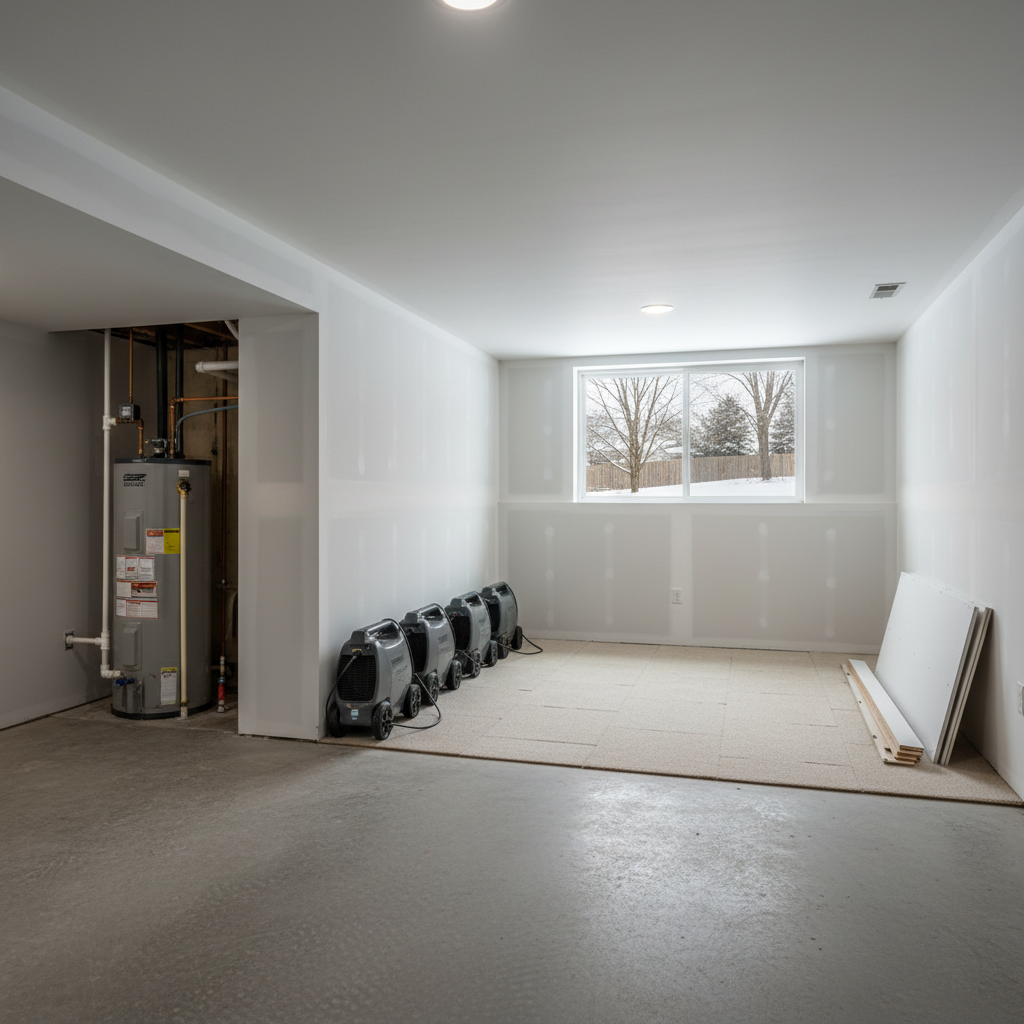
You know how our weather here in Rockford can be, right? One day it's sunny, the next we're buried in snow or getting absolutely hammered by a summer storm. That kind of wild swing isn't just annoying for your morning commute; it's a major factor in water damage for your home. As a local contractor, I've seen it all, and I want to share what you need to know about preparing for and dealing with water damage in our unique climate.
When to Schedule Water Damage Cleanup
This isn't really a 'when to schedule' question like getting your oil changed, if you catch my drift. Water damage cleanup needs to happen ASAP, no matter the season. The clock starts ticking the moment water hits something it shouldn't. Mold can start growing in as little as 24-48 hours, and structural damage just gets worse the longer things stay wet. So, if you've got water, you call us immediately. That's the only answer.
However, there are times of year when you should be extra vigilant. Spring thaw, for instance, is a big one. All that snow we get? When it melts, especially if the ground is still frozen, it's got nowhere to go but potentially into your basement. We see a lot of foundation leaks and sump pump failures around March and April. Same goes for those heavy summer downpours that can overwhelm storm drains and cause flash flooding, particularly in older neighborhoods with less robust drainage systems.
How Rockford's Weather Affects the Work
Our local climate dictates a lot about how we approach water damage restoration. It's not just about drying; it's about understanding the specific conditions we're up against.
- Winter Freezes: Burst pipes are a huge problem when temperatures plummet. We're talking about pipes in unheated crawl spaces, under sinks in exterior walls, or even in attics if insulation isn't up to snuff. When a pipe bursts, the water damage can be extensive, and the cleanup often involves dealing with frozen materials, which adds another layer of complexity to the drying process. You can't just air out a frozen wall cavity, after all.
- Spring Thaw & Heavy Rains: As I mentioned, melting snow and heavy spring/summer rains mean a higher risk of groundwater intrusion. This type of water often carries more contaminants than a clean pipe break, so the cleanup needs to be more thorough, often involving antimicrobial treatments. The ground around many Rockford homes, especially those built on clay soils, doesn't drain quickly, which can exacerbate hydrostatic pressure against foundations.
- Humidity: Our summers can get pretty muggy. High ambient humidity makes drying a wet structure a lot harder. We have to use more powerful dehumidifiers and monitor moisture levels even more closely to prevent secondary damage like mold growth. It's a constant battle against Mother Nature trying to put moisture back into the air we're trying to take out of your home.
- Storm Damage: Tornadoes, high winds, hail – we get it all. These can cause roof damage, broken windows, and siding issues that let water get into your home from above. When the exterior envelope is compromised, we're not just dealing with the water inside, but also securing the structure against further intrusion while we work.
Protecting Your Investment Year-Round
Prevention is always cheaper than restoration, and it's especially true with water damage. Here are some things you can do:
- Check Your Sump Pump: Seriously, test it regularly, especially before spring thaw and heavy rain seasons. Pour a bucket of water into the pit to make sure it kicks on. Consider a battery backup system; power outages often coincide with the worst storms.
- Maintain Gutters and Downspouts: Keep them clean, and make sure downspouts extend at least 6 feet away from your foundation. Clogged gutters or downspouts that dump water right next to your house are just asking for trouble.
- Inspect Your Roof: After every major storm, or at least once a year, take a look for missing shingles, damaged flashing, or other weak points. Don't wait for a leak to find them.
- Seal Cracks: Check your foundation for cracks, both inside and out. Small cracks can let in a surprising amount of water. Seal them with hydraulic cement or appropriate sealants.
- Know Your Water Shut-Off: Everyone in your household should know where the main water shut-off valve is and how to turn it off. This can save you thousands in damage if a pipe bursts.
- Insulate Pipes: In unheated areas like crawl spaces, attics, or even exterior walls, make sure pipes are properly insulated to prevent freezing.
- Landscaping: Ensure the ground around your foundation slopes away from your house, not towards it. This helps direct rainwater away.
Look, water damage is stressful. It's messy, it's disruptive, and it can be expensive if not handled right. But by understanding our local climate and taking some proactive steps, you can significantly reduce your risk. And if the worst happens, you know Alpha Restoration is here to help you get things back to normal, fast. We've been through these Rockford winters and summers countless times, and we know exactly what it takes.