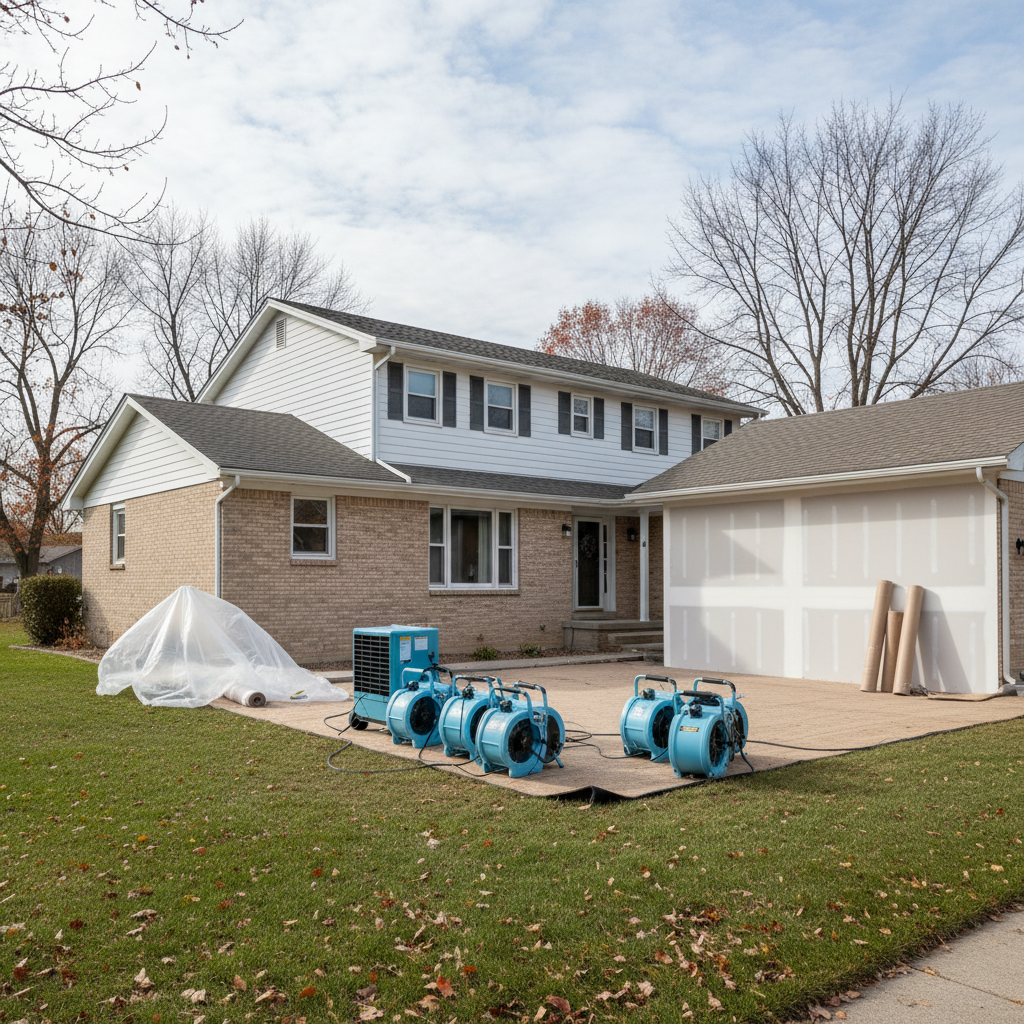
You've got water damage. Maybe it's a burst pipe, a leaky roof, or a sump pump failure after a heavy spring rain. Your first thought is probably 'get it dry, fast!' And you're right. But here in Rockford, 'fast' doesn't always mean 'easy' or 'the same way every time of year.' Our climate plays a huge role in how we approach structural drying, and understanding that can save you a lot of headaches and money.
When's the Best Time for Structural Drying?
That's a trick question, because water damage doesn't wait for ideal conditions. It happens when it happens. What I mean by 'when to schedule' isn't about picking a perfect day, but about understanding how the season affects the drying process itself. You can't put off drying, but you can be smart about how it's done.
For instance, in the dead of winter, when it's five below zero and the air is dry as a bone outside, we're usually dealing with a very different drying environment inside your home than we would in, say, July. The air outside might be dry, but if you've had a pipe burst, you're not exactly opening all the windows. We're relying more on specialized dehumidifiers and controlled heating to pull moisture out of the air and materials. It's a more contained, controlled process.
Spring and fall? Those can be wildcards. One day it's cool and dry, the next it's humid and rainy. This is where a good restoration company, like us at Alpha Restoration, really earns its keep. We're constantly monitoring the indoor environment and adjusting our equipment to match the outdoor conditions, even if we're not using outside air directly.
How Rockford's Weather Conditions Affect Our Work
Our local weather isn't just about temperature; it's about humidity, too. And humidity is the enemy of structural drying.
- Summer's High Humidity: You know those sticky August days? When the air feels like soup? That's when we have to work extra hard. If we just opened all the windows, we'd be bringing more moisture into your house than we're trying to take out. We use powerful dehumidifiers that can handle high grain depression (that's the difference between the moisture content in the air and in the materials). It's all about creating an artificial, dry environment inside your home, even if it's muggy outside.
- Winter's Dry Cold: Ironically, the dry, cold air of a Rockford winter can sometimes be an advantage, but only if we can safely introduce it. For instance, if you've got a small, contained area that's wet and the outdoor air is very dry and cold, we might use some controlled ventilation. But mostly, we're still relying on heat and industrial dehumidifiers to prevent freezing and ensure thorough drying without risking secondary damage.
- Spring/Fall Fluctuations: These are the trickiest. One day it's 70 degrees and sunny, the next it's 40 and pouring. We're constantly adjusting. We might use more air movers to create airflow, but always carefully monitoring the humidity levels. The goal is always to get the moisture out of the structure, not just move it around.
And let's not forget our soil. Many homes in older Rockford neighborhoods, especially those with clay soils, can experience hydrostatic pressure issues during heavy rains, leading to basement leaks. This isn't just about drying; it's about understanding the source and how it impacts the drying strategy.
Protecting Your Investment Year-Round
So, what can you do? A lot, actually. Proactive steps are always better than reactive ones.
- Regular Maintenance: Check your gutters and downspouts. Make sure they're clear and directing water away from your foundation. A clogged gutter during a heavy downpour is asking for trouble.
- Sump Pump Checks: If you have a basement, test your sump pump regularly, especially before spring thaw and heavy rain seasons. Consider a battery backup. It's a small investment that can save you thousands.
- Insulate Pipes: In winter, insulate any exposed pipes in unheated areas like crawl spaces or basements. A burst pipe is one of the most common causes of significant water damage we see.
- Know Your Water Shut-Off: Everyone in your household should know where the main water shut-off valve is and how to use it. In an emergency, shutting off the water quickly can drastically reduce the damage.
- Monitor Humidity: If you have a finished basement, consider a hygrometer to monitor humidity levels. If it's consistently high, you might have a moisture problem that needs addressing before it becomes a full-blown water damage event.
When water damage hits, don't try to DIY structural drying. You might get the surface dry, but hidden moisture in walls, subfloors, and insulation can lead to mold, rot, and much bigger problems down the road. You need commercial-grade equipment and the expertise to know how to use it effectively in our specific climate. That's what we do every day at Alpha Restoration. We'll make sure your home is dry, really dry, no matter what the Rockford weather throws at us.