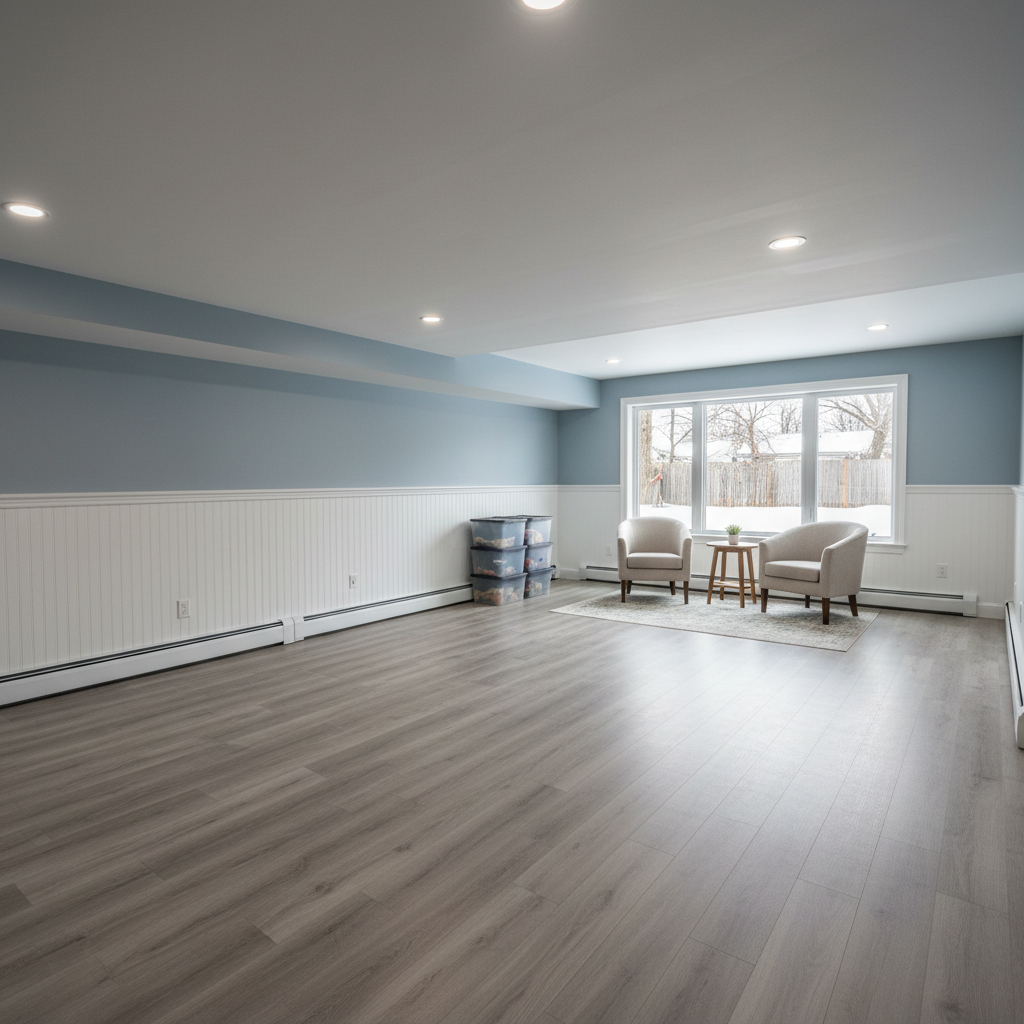
Water where it absolutely shouldn't be. That's a real gut-punch, I know. Your first thought might be to freak out, or maybe just grab the biggest fan you own and cross your fingers. But hold on a second. Before you do anything else, let's talk about some common screw-ups I see folks in Rockford make when they're staring down a water damage repair job.
Mistake #1: Not Moving Fast Enough (or Moving Too Fast on the Wrong Stuff)
This is huge. Water doesn't wait for anyone. Every single hour that ticks by, especially with clean water, the damage just gets worse. Materials soak up more and more, and mold starts thinking about moving in. I've seen houses in older neighborhoods, like those around the Churchill's Grove area with their classic plaster walls, where a tiny leak turned into a massive headache because someone figured they could just 'let it dry out naturally' over a weekend. You can't. You need to stop the source, then get that water out and start the drying process right away.
On the flip side, some people jump straight into demolition without really checking things out first. They'll rip out drywall before knowing how much water is actually there or what's hiding behind it. That can make things tougher for the pros later, or even leave hidden wet spots.
Mistake #2: Thinking It's Not That Bad
Just because you can't see it doesn't mean it's not there, trust me. Water is super sneaky. It climbs up walls, seeps under floors, and can travel through spaces you'd never even imagine. I've walked into homes where the owner thought they just had a 'small puddle,' only to find the subfloor soaked and insulation dripping wet a few feet away. You need special gear to really measure moisture levels and see where the water has gone. Your eyes just aren't good enough for this.
Mistake #3: Picking the Cheapest Quote Without Asking Questions
Look, I get it. Nobody wants to spend more than they have to, especially when it's an unexpected bill. But with water damage, the cheapest bid often means they're cutting corners. You might save a few bucks now, but you'll pay for it later with lingering moisture, mold, or even structural problems. So, what should you ask when you're getting quotes?
- Are they IICRC certified? This isn't just some fancy letters; it means they've actually got the right training for proper water restoration.
- What's their drying plan? Do they use air movers, dehumidifiers, special drying equipment? How do they check for moisture?
- Do they handle the whole job, from getting the water out to rebuilding, or just part of it?
- Are they insured and bonded? Seriously, don't even think about hiring someone who isn't.
- Can they clearly explain what they'll do, including what they'll remove and what they'll dry in place?
If they can't answer these questions clearly, or if their price is way, way lower than everyone else's, that's a huge warning sign. You're not just paying for labor here; you're paying for their know-how and the right equipment.
Mistake #4: Not Understanding Your Insurance Policy
This one causes a ton of headaches. Most homeowners don't read their policy until something bad happens. You really need to know what your policy covers and, more importantly, what it doesn't cover. Is there a different deductible for water damage? Does it cover sudden leaks but not slow, long-term ones? What about mold? Knowing this upfront helps you make smart choices and avoid nasty surprises. We at Alpha Restoration work with insurance companies all the time, but you're the policyholder, so you need to be in the loop too.
Mistake #5: Trying to Do Everything Yourself
I'm a big fan of a good DIY project, but water damage restoration usually isn't one of them. You can clean up a small spill, sure. But once water gets into building materials like drywall, insulation, or subflooring, it's a completely different ballgame. Without the right equipment to dry things out completely and measure moisture, you're just guessing. And guessing leads to incomplete drying, which then leads to mold, rot, and bigger, more expensive problems down the road. It's not just about drying, you know; it's about knowing what you can save and what needs to go, and then making sure the whole area is safe and dry before anything gets put back together.
So, when you find yourself dealing with water damage, take a deep breath. Stop the source. Then, call in the pros. Don't let these common mistakes turn a bad situation into a total nightmare.